

Sexual Wellness
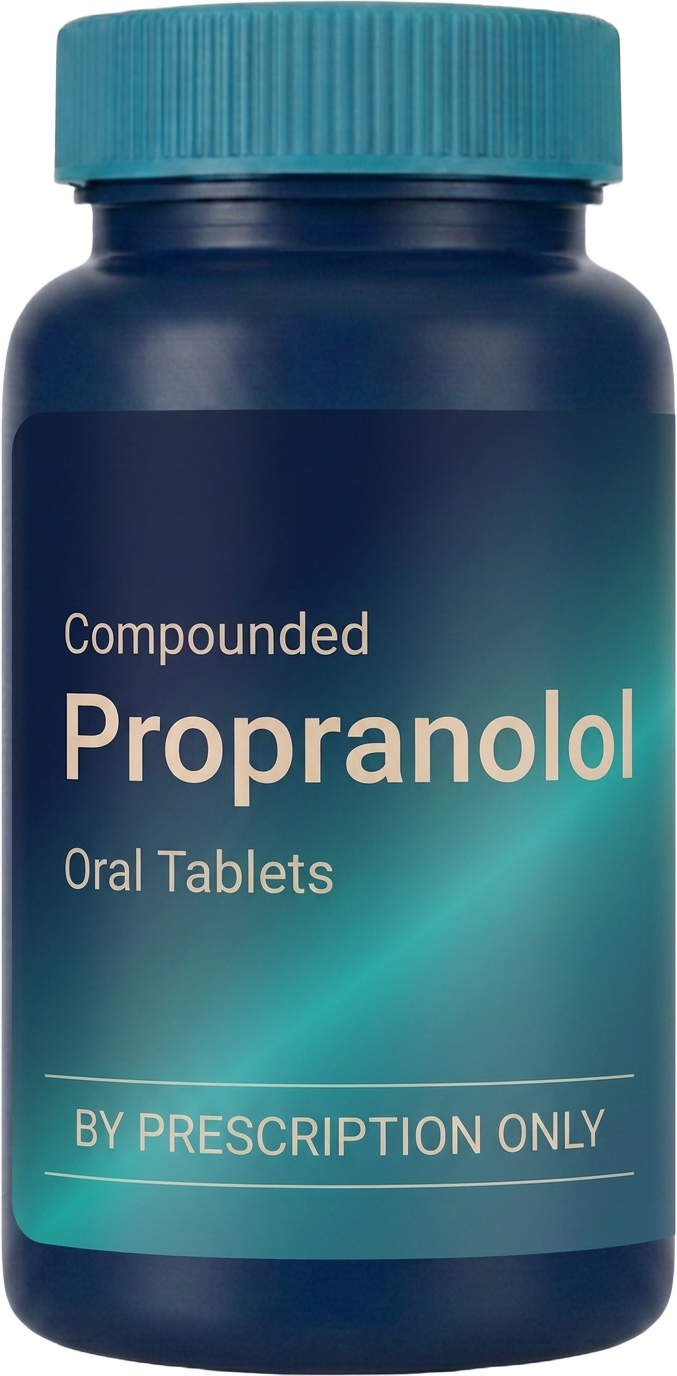
Propranolol 20 mg
A beta blocker used off-label for situational performance anxiety, taken shortly before you need to steady your nerves.
Choose your treatment cycle
Subscription requiredDue today
$28.33 per month · 3 Months
$85.00
Prescription process, compounding and renewal detailsReadHide
All prescription items go through physician review before they ship. After checkout, you'll receive member portal access to complete a medical intake form. A licensed physician reviews your intake, and once approved, your medication is on its way. Your exact dose is set by your provider during that review.
This product requires prescription and evaluation by a licensed provider. Buying it does not guarantee you will be prescribed the medication; if you're not approved, you won't be charged. Compounded formulations are prepared by licensed 503A pharmacies and have not been evaluated by the FDA for safety or efficacy. Availability differs by state, and this product is not intended for anyone under 18. Nothing here is medical advice — speak with your provider about risks, side effects and interactions.
Multi-month plans automatically renew at the end of each term unless you cancel. You can cancel anytime before renewal by reaching out to connect@shivrxrx.net or +1 979-978-0561.
Understand the protocol
Propranolol 20 mg
Quiets the physical signs of nerves.
A beta blocker that calms the adrenaline response — racing heart, tremor, sweating, a shaky voice — without sedating you or clouding your thinking.
In plain terms
- Propranolol is a beta blocker. It blocks some of adrenaline's effects on the body.
- It can ease physical signs of nerves — racing heart, shaky hands, trembling voice — without affecting your thinking.
Why it matters
- When the body's stress response gets in the way, calming it can let you perform as you normally would.
How it works
How the signal travels, and where propranolol steps in.
Performance nerves trigger a fast physical stress response.

B · Messengers
Neurotransmitters are stored in small packets and released to pass a signal.
The process, in three steps
- The trigger
Stress releases adrenaline
When you feel nervous, the body releases adrenaline, the 'fight or flight' messenger.
- The effect
Your body reacts physically
Adrenaline binds beta receptors, raising heart rate and causing shaking, sweating and a racing feeling.
- The treatment
Propranolol blocks the receptor
Propranolol is a beta blocker. It blocks those receptors so the physical symptoms of nerves are calmer.
The pathway
It eases the physical signs of anxiety rather than changing your thoughts.
What progress looks like.
Results from Propranolol 20 mg aren't something a photo can show. Progress is measured by how you feel and, where relevant, by lab values your clinician reviews over time.
What gets tracked
- How you feel it's working
- Side effects
- Fit with other medications
Individual results vary and are not guaranteed.
 Illustrative
, not a predicted result.
- Stage 1
Starting point
Your intake and any labs set a baseline your clinician can refer back to.
- Stage 2
Check-ins
You share how things are going. Your clinician reviews what you've noticed.
- Stage 3
Adjustments
Your plan may be adjusted based on your response, side effects and goals.
Performance is a signal.
We track down the reason.
Blood flow, hormones, or stress? The panel points to the right one.
More from Sexual Wellness.
Sexual Wellness
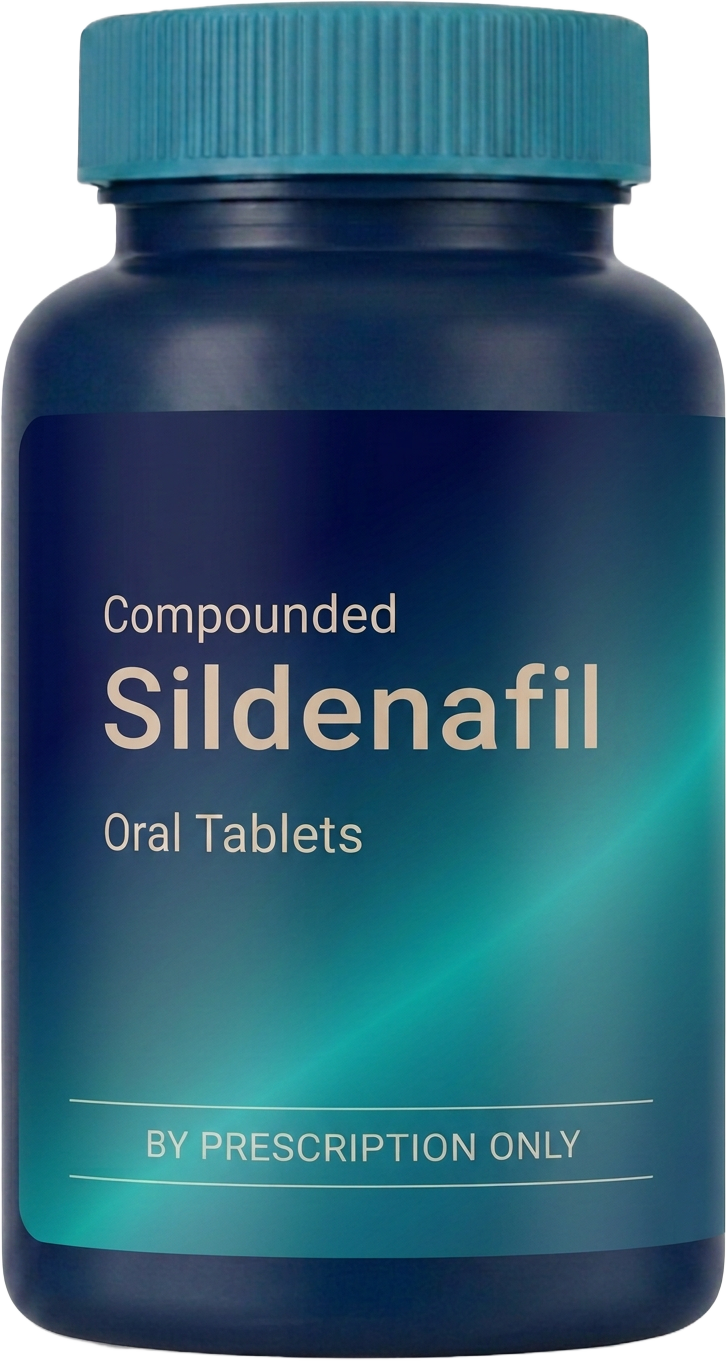
Sildenafil
An as-needed PDE5 inhibitor built for consistent performance. Choose your dose and tablet count — flat pricing, no subscription needed.
Explore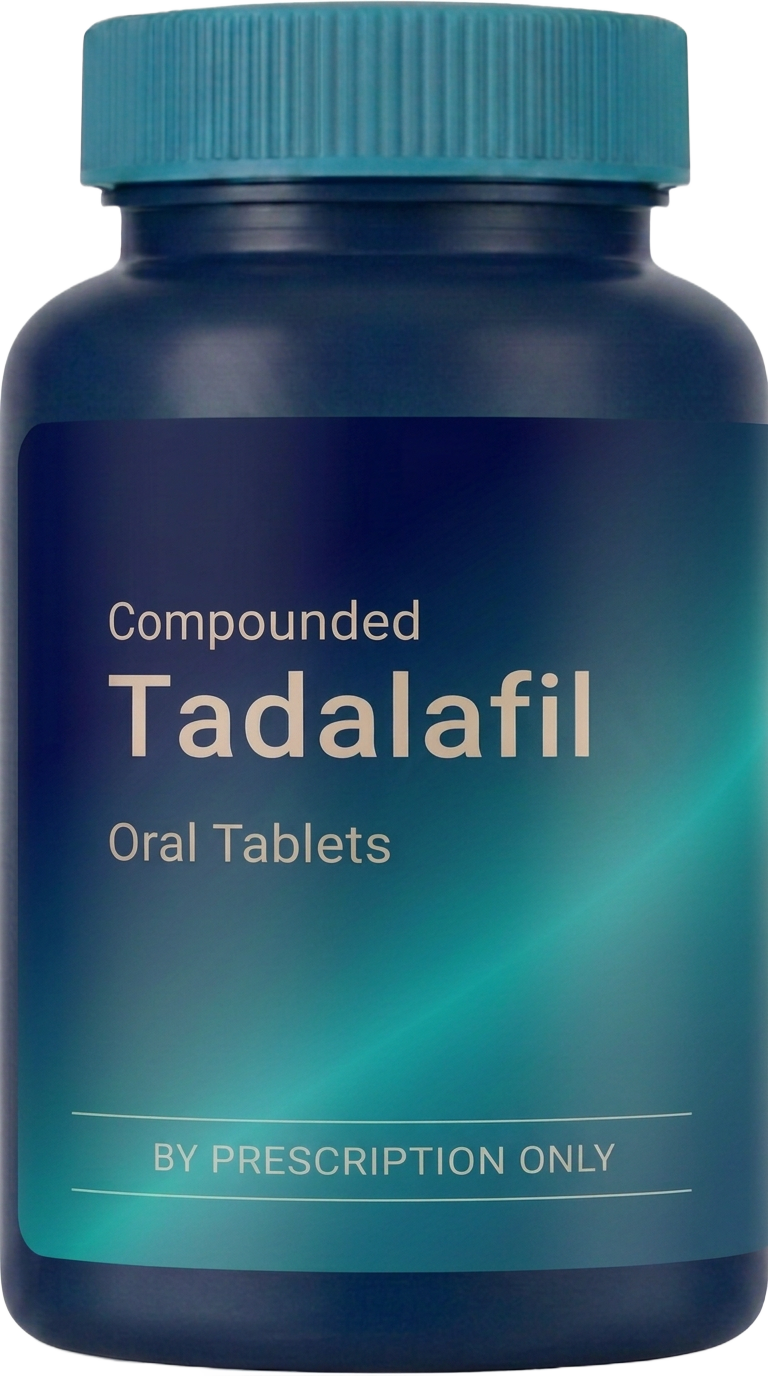
Sexual Wellness
Tadalafil
A long-acting PDE5 inhibitor you can take as needed or daily, keeping you ready on your own schedule.
Explore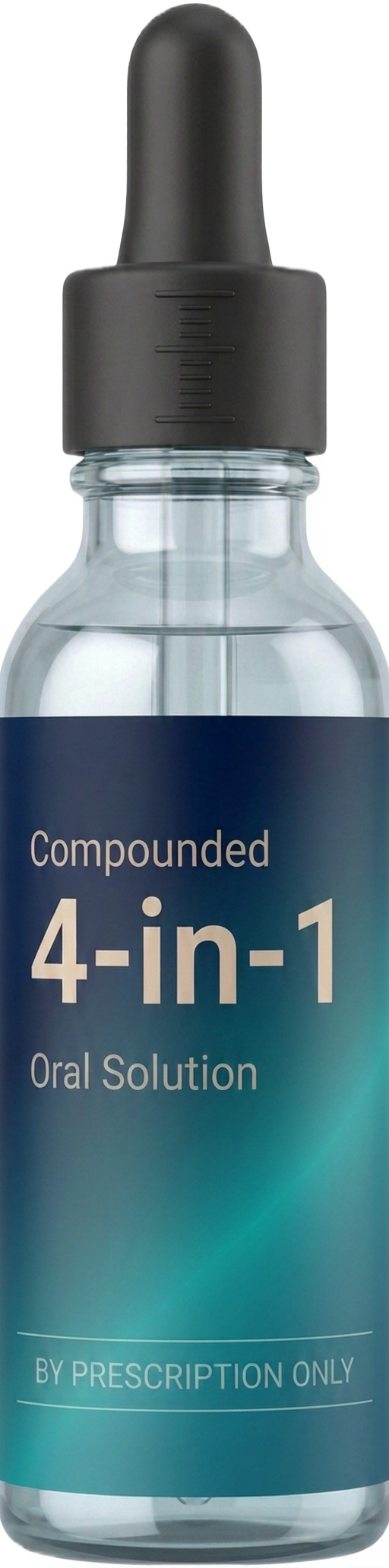
Sexual Wellness
Your Best Sex 4-in-1
One oral solution blending apomorphine, sildenafil, tadalafil and vardenafil to boost desire, circulation and staying power.
Explore